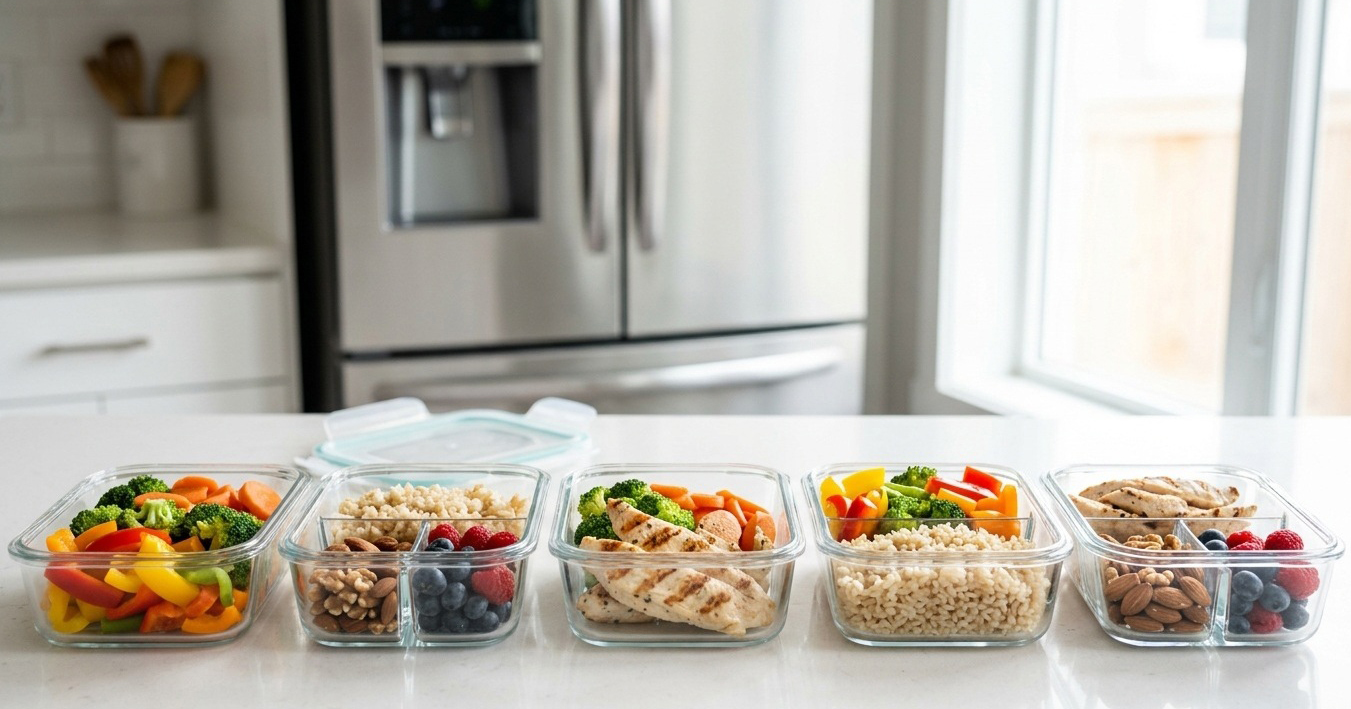
After a long day at work, the last thing you probably want to do is stand in the kitchen wondering what to cook.
Between commuting, answering emails, dealing with deadlines, and trying to get enough rest, cooking a proper meal every night can feel like another full-time job. That is where meal prepping can make a real difference.
You do not need to spend your entire Sunday cooking dozens of meals. A few smart habits can cut down your daily kitchen work, reduce food waste, and make busy weeknights much easier.
Here are five practical meal prep hacks you can start using right away.
1. Try the “Batch Chopping” Method
What is it?
Instead of chopping vegetables every time you cook, prepare several of them at once.
Choose a few vegetables you regularly use during the week, such as onions, bell peppers, carrots, broccoli, or zucchini. Wash, dry, peel, and chop them during one short prep session.
How does it save time?
Chopping is one of those small cooking tasks that adds up quickly.
If you spend 10 minutes chopping vegetables every evening, that can become nearly an hour of kitchen work over a week. Preparing everything together means you only have to clean the cutting board and knife once.
It also makes cooking feel much less demanding after work.
A practical step to start tonight
Pick three vegetables you know you will use during the next few days.
Wash and chop them, then store them separately in clean containers in the refrigerator. Keep vegetables that need similar cooking times together so they are easy to grab when you start cooking.
Quick tip: Make sure vegetables are reasonably dry before storing them. Excess moisture can make some cut vegetables spoil faster.
2. Use Smart Ingredient Zoning in Your Fridge
What is it?
Ingredient zoning simply means organizing your refrigerator according to the meals you plan to make.
Instead of storing everything wherever there happens to be space, group ingredients that belong to the same meal together.
For example, ingredients for a chicken stir-fry can stay together, while the ingredients for tomorrow’s breakfast can have their own section.
How does it save time?
A messy refrigerator can turn cooking into a treasure hunt.
When you already know where everything is, you spend less time searching, checking containers, and figuring out what needs to be used first.
It also makes it easier to notice ingredients that are approaching their use-by date.
A practical step to start tonight
Before going to bed, take two minutes to look at tomorrow’s meal.
Put the ingredients you will need in one easy-to-reach area of the refrigerator. If something needs to be thawed, moved, or prepared ahead of time, you will spot it before the next cooking session.
Quick tip: Keep foods that need to be used soon where you can easily see them. The ingredients hidden at the back of the fridge are often the ones that get forgotten.
3. Pre-Portion Your Healthy Snacks
What is it?
Instead of reaching into a large bag or opening the refrigerator every time you feel hungry, prepare individual snack portions ahead of time.
You can portion out foods such as nuts, chopped fruit, vegetables, yogurt, or other snacks you regularly enjoy.
How does it save time?
Pre-portioned snacks are ready when you need them.
That means you do not have to wash, cut, measure, or assemble something every afternoon. It can also make your morning routine easier when you are rushing out the door.
Most importantly, it turns healthy choices into convenient choices.
A practical step to start tonight
Choose two or three snacks you usually eat during the workweek.
Prepare several individual portions and place them where they are easy to grab. Refrigerate anything that needs to stay cold.
Quick tip: Do not prepare more than you can reasonably use within a few days. A simple meal prep system should make life easier, not create another chore.
4. Give Each Day a Meal Theme
What is it?
Instead of deciding from scratch what to cook every night, give different days a simple cooking theme.
For example:
- Monday: Pasta night
- Tuesday: Taco night
- Wednesday: Rice bowl night
- Thursday: Sheet-pan dinner
- Friday: Leftover or easy-meal night
The specific themes do not matter as much as having a predictable structure.
How does it save time?
One of the biggest hidden time-wasters in cooking is deciding what to make.
When you have hundreds of recipes to choose from, even a simple dinner can require a surprising amount of mental energy. A weekly theme narrows your choices before the week even begins.
It also makes grocery shopping easier because you already have a rough idea of what ingredients you need.
A practical step to start tonight
Write down five simple dinner themes that your household actually enjoys.
Do not try to create a complicated seven-day menu. Start with three or four repeatable themes and fill in the specific meals later.
For example:
Tuesday = tacos
One week you might make chicken tacos. The following week could be beef or bean tacos.
The theme stays the same while the meal changes.
Quick tip: Keep a short list of meals your family already likes. When you are tired, choosing from 10 reliable meals is much easier than searching through hundreds of recipes.
5. Build Your Meals Around a One-Pot Foundation
What is it?
A meal foundation is a versatile ingredient that can become part of several different meals.
You might prepare a batch of cooked chicken, rice, beans, lentils, or another suitable protein or grain at the beginning of the week.
The idea is not to eat exactly the same meal every day. Instead, you prepare one useful base that can be transformed into different meals.
How does it save time?
The longest part of cooking is often getting everything started.
If your protein or grain is already cooked, you can turn it into a completely different meal with fresh vegetables, sauce, herbs, or other ingredients.
For example, cooked rice can become:
- A quick rice bowl
- Fried rice
- A side for grilled chicken
- A base for a vegetable bowl
A prepared protein can work in salads, wraps, bowls, pasta, or quick skillet meals.
A practical step to start tonight
Choose one versatile foundation for the next few days.
Cook enough for several meals, let it cool appropriately, and store it safely in the refrigerator.
Before cooking, think about the different meals you can make from it. This small step prevents your meal prep from becoming a week of identical leftovers.
Quick tip: Keep the base relatively neutral in flavor. That gives you more freedom to turn it into different meals throughout the week.
A Simple Meal Prep Routine You Can Actually Stick To
Meal prep does not have to mean spending half of your weekend in the kitchen.
A simple routine might look like this:
- Sunday: Wash and chop vegetables.
- Sunday: Prepare one versatile protein or grain.
- Sunday: Portion a few snacks.
- Before each workday: Check the next meal and move ingredients to an easy-to-reach spot.
- During the week: Follow your meal themes instead of making dinner decisions from scratch.
The goal is not to make your kitchen perfectly organized.
The goal is to make tomorrow’s cooking a little easier than today’s.
Start Small and Let the System Grow
You do not need to use all five hacks at once.
Start with batch chopping and one meal theme this week. Once those habits feel natural, add pre-portioned snacks or a versatile meal foundation.
A few minutes of preparation can save you much more time when you are tired and hungry after work.
The best meal prep system is not the one that looks perfect on paper. It is the one you can realistically repeat every week.
Start small, keep it simple, and give your future self an easier week in the kitchen.